

The demand for senior-focused services is growing rapidly as more older adults look for reliable support, better independence, and improved quality of life. If you want to own a senior business, understanding the right market, choosing a profitable model, and creating a strong growth strategy are essential steps toward success. Many entrepreneurs enter this industry with great ideas but struggle because they overlook customer needs, financial planning, and long-term business systems. This complete guide explains how to build a successful senior business using practical startup strategies, from selecting the right opportunity to managing costs and overcoming common challenges. Whether you are exploring senior care, consulting, technology support, or lifestyle services, this guide will help you understand the key factors needed to create a trusted and sustainable business in the growing senior market.
Understanding the Senior Business Market
The senior business market is becoming one of the most important areas for new entrepreneurs. As people live longer, gain more experience, and look for better support services, new opportunities are appearing across different industries. To own a senior business successfully, you first need to understand the needs, challenges, and expectations of older adults and their families.
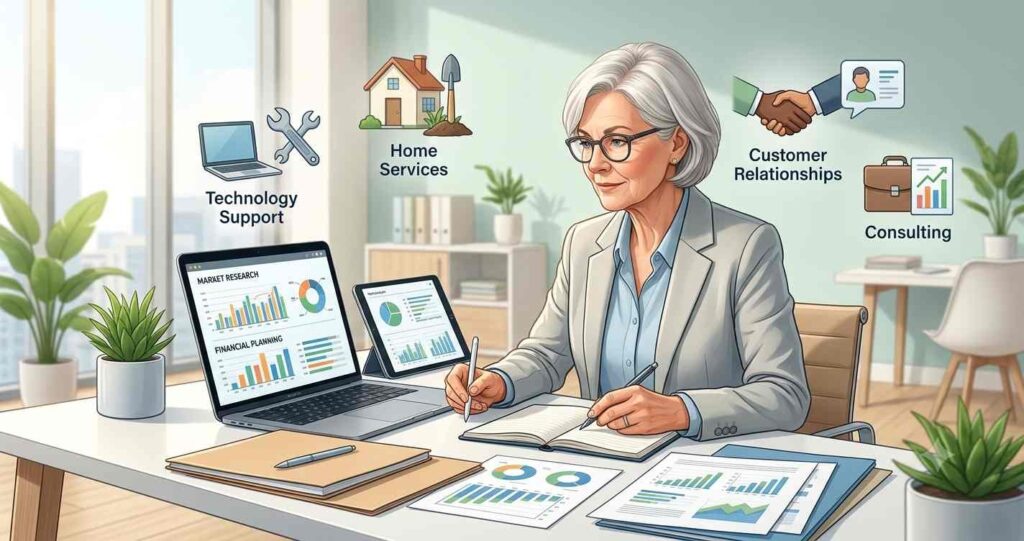
A senior business is not limited to healthcare or assisted living services. It can include many areas such as technology support, consulting, home services, lifestyle assistance, education, travel support, and personal care solutions. The key is identifying a problem that seniors face and creating a business that provides a valuable solution.
Many successful senior-focused businesses start by understanding daily challenges. For example, some older adults struggle with using modern technology, managing appointments, maintaining homes, or finding reliable services. A business that solves these problems can create long-term value while building strong customer relationships.
When you own a senior business, your target audience is usually not only seniors themselves. In many cases, family members, caregivers, and organizations also influence buying decisions. This means a business owner needs to understand multiple perspectives. A service that provides convenience, safety, trust, and reliability often performs better in this market.
Another important factor is building trust. Senior customers usually prefer businesses that show patience, professionalism, and genuine care. Unlike some industries where customers mainly focus on price, the senior market often values quality and reliability. A business that focuses only on quick sales may struggle, while one that builds meaningful relationships can develop loyal customers.
The senior market also offers opportunities for entrepreneurs with different levels of experience. Someone with healthcare knowledge may create a care service, while another person with business experience may provide consulting or management solutions. Even technology experts can create businesses that help seniors use smartphones, online services, and digital tools more easily.
Before starting any senior-focused business, market research is essential. Understanding local demand, customer expectations, existing competitors, and service gaps can help you create a stronger foundation. Many entrepreneurs fail because they launch a service without knowing whether their target audience actually needs it.
A good approach is to study your local community and identify unanswered needs. Look at what services already exist and where customers are still facing difficulties. This research helps you create a unique business position instead of becoming another general service provider.
Ultimately, the senior business market is built around solving real-life problems. Entrepreneurs who combine empathy with smart business strategies have a better chance of creating sustainable growth. Understanding the market is the first step toward building a successful senior business that provides value for years.
Choosing the Right Business Model
Choosing the right business model is one of the most important decisions when you plan to own a senior business. A strong idea can fail if the business structure does not match your skills, budget, and target customers. The right model helps you manage resources effectively and create a service that can grow over time.
The first step is understanding what type of senior business you want to build. Some entrepreneurs prefer service-based models where they directly help customers, while others choose consulting, technology, or product-based approaches. Each model has different requirements, challenges, and growth opportunities.
A senior care business is one of the most recognized models in this industry. It can include personal assistance, home care services, companionship programs, or support for daily activities. This type of business requires strong customer service skills, proper planning, and awareness of industry regulations.
Another option is a senior support service model. These businesses focus on helping older adults maintain independence. Examples include transportation assistance, home maintenance, meal support, and appointment management. These services often solve everyday problems and can create recurring revenue opportunities.
Technology-based senior businesses are also growing. Many older adults want to stay connected but may find digital tools confusing. Entrepreneurs can create services that provide technology training, device setup, cybersecurity guidance, or online assistance. This model combines technology knowledge with practical support.
Consulting is another powerful option, especially for experienced professionals. Someone with years of knowledge in finance, healthcare, marketing, education, or management can provide guidance to senior entrepreneurs or organizations serving older adults. This allows experts to turn their experience into a profitable business.
When selecting a business model, consider your personal strengths. A person who enjoys working directly with people may succeed in a service business, while someone who prefers strategic work may perform better in consulting. Your skills, interests, and available resources should influence your decision.
Budget is another important consideration. Some senior businesses require significant investment, while others can start with minimal costs. For example, a home-based consulting service may need fewer resources compared to opening a physical senior care facility. Understanding startup costs helps prevent financial pressure later.
A simple comparison can help:
| Business Model | Investment Level | Growth Potential |
| Senior Consulting | Low | High |
| Home Support Services | Medium | High |
| Senior Care Facility | High | Very High |
| Technology Assistance | Low-Medium | Growing |
The best business model is not always the biggest one. A smaller business that solves a specific problem can often build a stronger reputation than a large business without a clear purpose.
Before making a final decision, research your audience, competitors, and local opportunities. The goal is to choose a model that creates real value while matching your ability to deliver excellent service.
A successful entrepreneur does not simply choose a business idea; they choose a business model that can survive, adapt, and grow. This decision creates the foundation for long-term success in the senior market.

Best Senior Business Ideas to Explore
Finding the right business idea is a major step for anyone who wants to own a senior business. The best opportunities usually come from understanding problems seniors face and creating simple solutions that improve their daily lives.
One growing opportunity is senior home support services. Many older adults prefer staying in their own homes instead of moving to assisted living communities. Businesses that provide cleaning, transportation, meal assistance, home organization, or personal support can meet this growing demand.
Another valuable idea is senior technology assistance. Modern technology can improve quality of life, but many seniors need guidance with smartphones, computers, online banking, video calls, and security settings. A business that provides simple technology training can become highly useful in local communities.
Senior consulting is also an attractive option for experienced professionals. People with knowledge in finance, business, education, healthcare, or career development can offer specialized advice. This type of business allows entrepreneurs to use their existing experience without requiring a large physical setup.
Health and wellness support is another area with strong potential. Businesses can focus on fitness programs for older adults, wellness coaching, nutrition guidance, or lifestyle improvement services. The focus should always remain on helping seniors maintain independence and improve their daily routines.
Senior transportation services can also solve an important challenge. Many older adults need reliable transportation for medical appointments, shopping, social activities, or community events. A trusted transportation service can provide convenience and peace of mind for both seniors and their families.
Another interesting opportunity is senior-focused travel planning. Many older adults want to explore new places but may need assistance with planning, accessibility, and safety. A specialized travel service can design comfortable and secure experiences based on senior needs.
Entrepreneurs can also explore online business opportunities. Digital courses, senior education platforms, online communities, and remote assistance services can reach customers beyond a local area. These models can often start small and expand gradually.
When selecting an idea, focus on three important factors: demand, your expertise, and customer trust. A profitable senior business is not created only from trends; it is created by solving meaningful problems.
The strongest business ideas combine practical solutions with a human approach. Seniors often value businesses that understand their needs and provide respectful, reliable support. Entrepreneurs who focus on these qualities can create businesses that are both financially rewarding and socially valuable.
Creating a Strong Business Plan
A strong business plan is the foundation of every successful venture. If you want to own a senior business, planning helps you understand your goals, target customers, expenses, and growth strategy before investing significant time and money.
A business plan does not need to be complicated. It should clearly explain what service you will provide, who your customers are, how you will reach them, and how your business will generate revenue.
The first part of your plan should define your business purpose. Ask yourself what problem your senior business will solve. Will you provide care services, technology assistance, consulting, transportation, or another solution? A clear purpose helps you create a focused brand.
The next step is understanding your target audience. Research the needs of seniors in your area and identify their common challenges. Also consider family members and caregivers because they often influence purchasing decisions.
Competitor research is another important part of planning. Study existing businesses offering similar services. Identify what they do well and where they have weaknesses. This allows you to create a better customer experience and find opportunities that others miss.
Financial planning is equally important. Estimate your startup costs, operating expenses, pricing structure, and expected income. A realistic financial plan helps you make better decisions and avoid unexpected problems.
Marketing strategy should also be included. A senior business often depends heavily on reputation and trust. Local partnerships, online presence, customer reviews, and community connections can help attract customers.
A step-by-step approach for creating your plan:
- Define your senior business idea and target market.
- Research customer needs and competitors.
- Calculate startup and operating costs.
- Create service packages and pricing.
- Develop marketing and customer acquisition strategies.
- Set measurable growth goals.
A strong business plan should also include future expansion ideas. For example, a small senior support service may later add new locations, additional employees, or complementary services.
Many entrepreneurs focus only on launching their business but ignore long-term planning. A detailed strategy helps you stay prepared for challenges and make smarter decisions as your business grows.
When you own a senior business, success depends on more than having a good idea. It requires preparation, understanding customers, managing resources, and continuously improving your services. A strong business plan turns an idea into a realistic path toward sustainable growth.
Managing Costs and Legal Requirements
Managing costs effectively is one of the biggest factors that determines whether your senior business becomes successful or struggles in the early stages. Many entrepreneurs focus heavily on the idea and services but underestimate the importance of financial planning. When you own a senior business, understanding your expenses, pricing strategy, and legal responsibilities helps you build a stable foundation.
Every senior business has different startup costs depending on the type of service you provide. A home-based consulting business may require minimal investment, while a senior care facility may need equipment, employees, insurance, and a physical location. Before launching, you should carefully calculate all possible expenses, including registration fees, marketing costs, technology tools, employee payments, and daily operations.
A smart entrepreneur separates essential costs from optional expenses. In the beginning, focus on resources that directly improve customer experience and service quality. For example, investing in reliable communication tools, professional branding, and proper training may create more value than spending heavily on unnecessary equipment.
A simple cost overview can help you understand different business models:
| Business Type | Main Expenses | Cost Level |
| Senior Consulting | Website, marketing, software tools | Low |
| Home Support Services | Transportation, supplies, staff | Medium |
| Senior Care Facility | Location, equipment, employees, licenses | High |
| Technology Assistance | Devices, software, online tools | Low-Medium |
Pricing is another important area. Your service should provide value while remaining affordable for your target customers. Research what similar businesses charge and create pricing that covers your expenses while allowing room for growth.
Legal requirements are equally important when starting a senior business. Depending on your location and business model, you may need specific registrations, permits, insurance coverage, or professional certifications. Businesses that provide healthcare-related services often have stricter requirements compared to general support services.
Insurance should also be considered from the beginning. Liability protection, employee coverage, and business insurance can protect you from unexpected situations. Many new business owners ignore this step until problems appear, but proper preparation creates long-term security.
Building a legally compliant business also improves customer trust. Families choosing senior services want to know that they are working with a responsible and professional organization. Clear policies, trained staff, and proper documentation help create confidence.
Cost management is not about spending the least amount possible. It is about making smart financial decisions that support quality service and sustainable growth. Entrepreneurs who carefully manage money while following legal requirements create stronger businesses that can serve seniors effectively for many years.
Also Read: What Is Hardware Accelerated GPU Scheduling and Its Benefits
Building Customers and Growing Faster
Building a strong customer base is essential for anyone who wants to own a senior business and create long-term success. Unlike many industries where customers make quick decisions, the senior market often depends on trust, reputation, and personal relationships.
The first customers usually come from your ability to show reliability. Seniors and their families want businesses that understand their needs and provide consistent support. A professional approach, clear communication, and respectful service can help you build a positive reputation from the beginning.
Word-of-mouth marketing plays a major role in the senior industry. A satisfied customer can introduce your service to friends, relatives, and community groups. Because trust is extremely important in this market, personal recommendations often have a stronger impact than traditional advertising.
Creating an online presence is also necessary. Many families search online before choosing senior services. A professional website, clear service information, customer reviews, and helpful content can make your business appear more trustworthy.
Content marketing can also support growth. Sharing useful information about senior care, technology tips, health support, or lifestyle improvement can position your business as an expert. This approach attracts people who are looking for solutions before they are ready to purchase.
Partnerships can accelerate growth as well. Connecting with local organizations, healthcare professionals, community centers, and senior groups can introduce your business to potential customers. Strong relationships often create continuous referral opportunities.
Customer retention is another important factor. Getting new customers is valuable, but keeping existing customers creates stable growth. Regular communication, personalized services, and excellent support encourage customers to stay connected with your business.
Growth strategies can include:
| Growth Method | How It Helps |
| Online Presence | Builds visibility and credibility |
| Customer Reviews | Increases trust among new clients |
| Local Partnerships | Creates referral opportunities |
| Better Services | Improves customer retention |
Technology can also improve customer management. Scheduling software, communication platforms, and customer management tools can help you organize operations and provide better experiences.
Fast growth should not come at the cost of service quality. Many businesses expand too quickly and fail because they cannot maintain customer satisfaction. A better approach is controlled growth where systems, employees, and processes improve step by step.
A successful senior business grows through trust, consistency, and understanding customer needs. When you focus on creating real value, growth becomes a natural result of strong relationships and excellent service.
Using Smart Strategies for Long-Term Success
Long-term success requires more than launching a senior business. The most successful entrepreneurs continuously improve their services, adapt to market changes, and create strategies that support sustainable growth. To own a senior business that lasts, you need a mindset focused on innovation and customer satisfaction.
One important strategy is continuous learning. The needs of seniors are changing as technology, lifestyles, and healthcare options develop. Business owners who stay updated can provide better solutions and remain competitive.
Building a strong team is another key factor. If your business depends on employees or caregivers, hiring reliable people and providing proper training should be a priority. A professional team represents your brand and directly affects customer trust.
Customer feedback should also guide your decisions. Listening to seniors and their families helps you identify what is working and what needs improvement. Small changes based on real feedback can create a much better customer experience.
Another effective strategy is creating additional services. For example, a senior support company may expand into transportation, technology assistance, or wellness programs. Adding related services can increase revenue while providing more value to existing customers.
Brand reputation is one of the strongest assets in the senior market. Businesses that consistently deliver quality service often become trusted names in their communities. Protecting your reputation through honesty, transparency, and professionalism is essential.
Automation and technology can also improve efficiency. Digital tools can help with scheduling, customer communication, payments, and marketing. Using technology wisely allows business owners to save time and focus more on customer relationships.
Successful senior business owners think beyond short-term profits. They build systems that allow their business to operate smoothly and grow gradually. Long-term success comes from balancing financial goals with genuine customer care.
Common Challenges and How to Overcome Them
Every business faces challenges, and a senior business is no different. Understanding potential problems before they appear can help entrepreneurs prepare better solutions. When you own a senior business, planning for challenges allows you to stay competitive and maintain service quality.
One common challenge is building trust with customers. Families may hesitate before choosing a new service provider because they want the best support for their loved ones. The solution is creating transparency through professional communication, reviews, certifications, and consistent service.
Another challenge is finding qualified employees. Businesses that provide direct support often depend on skilled and reliable workers. Creating proper hiring processes, offering training, and building a positive work environment can help attract better employees.
Managing costs can also become difficult, especially during the early stages. Unexpected expenses may affect cash flow. Maintaining a financial reserve and regularly reviewing expenses can reduce financial pressure.
Competition is another challenge. As the senior market grows, more businesses are entering the industry. To stand out, focus on a specific niche, improve customer experience, and provide services that competitors do not offer.
Changing customer expectations can also create difficulties. Modern seniors and their families often expect convenient communication, online information, and personalized solutions. Businesses that adapt quickly can maintain stronger relationships.
The biggest challenge is maintaining quality while growing. Expansion should always happen carefully. Increasing customers without improving systems can damage reputation and customer satisfaction.
A successful senior business owner does not avoid challenges; they prepare for them. With proper planning, customer focus, and continuous improvement, these obstacles can become opportunities for growth.
By understanding problems early and creating practical solutions, entrepreneurs can build a senior business that remains reliable, profitable, and valuable in the long term.